Lights,
Camera,
Action — on Paper
Art direction, visual concepts, and cinematic imagery in Hong Kong film culture
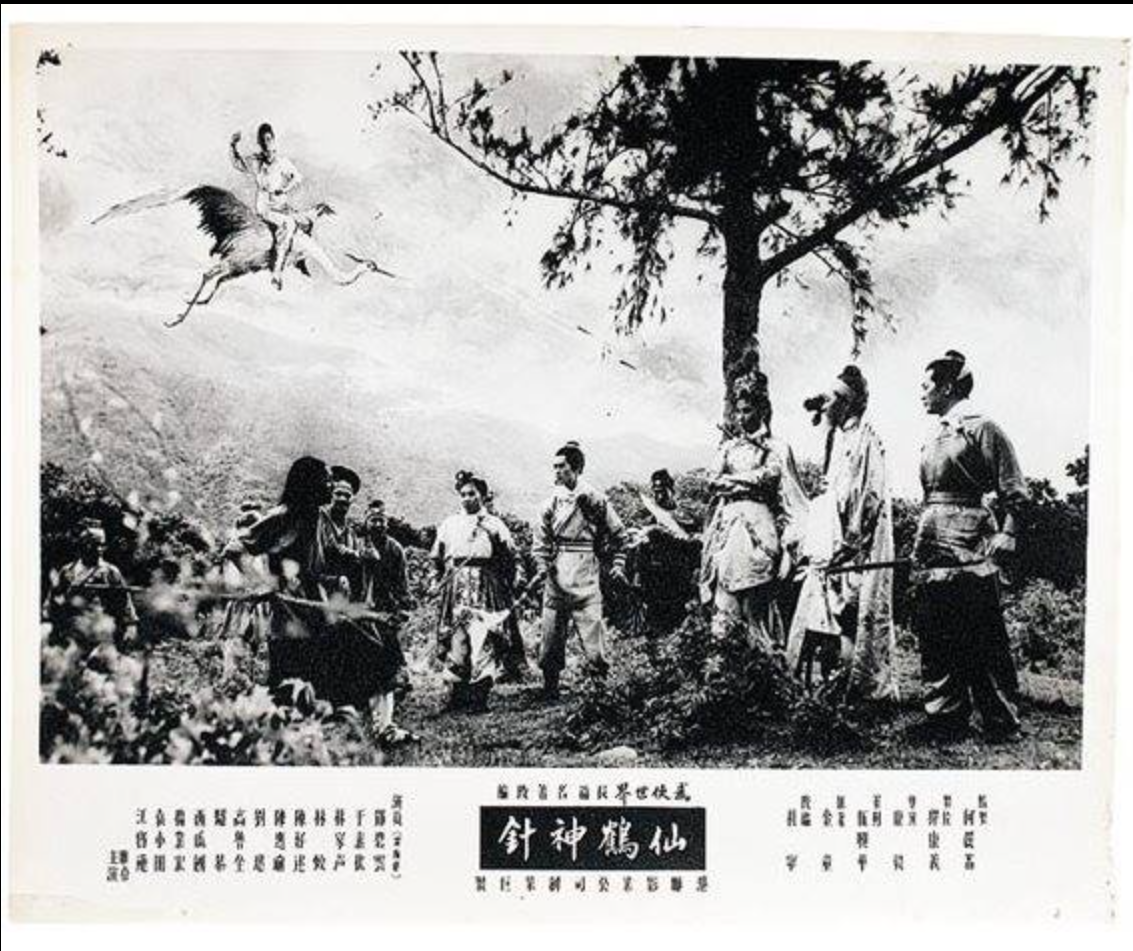
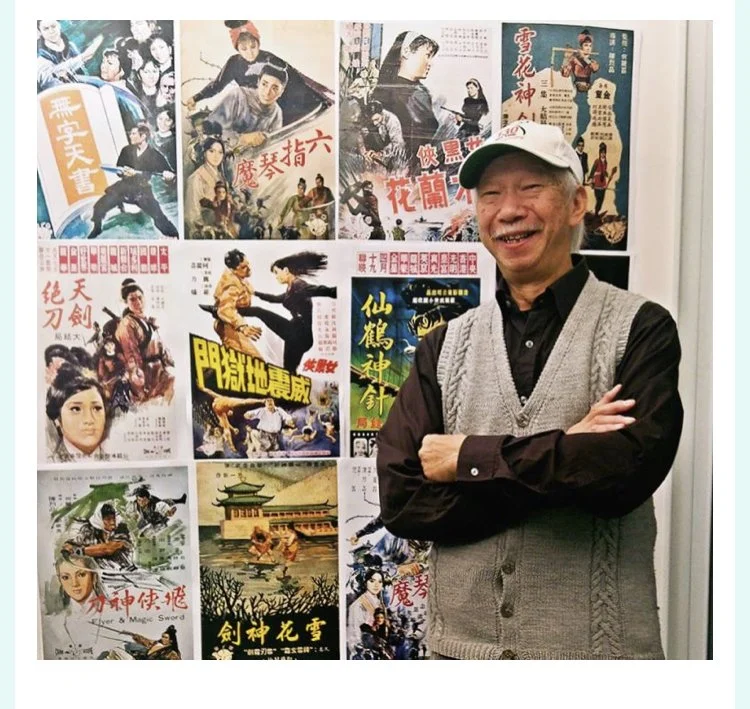
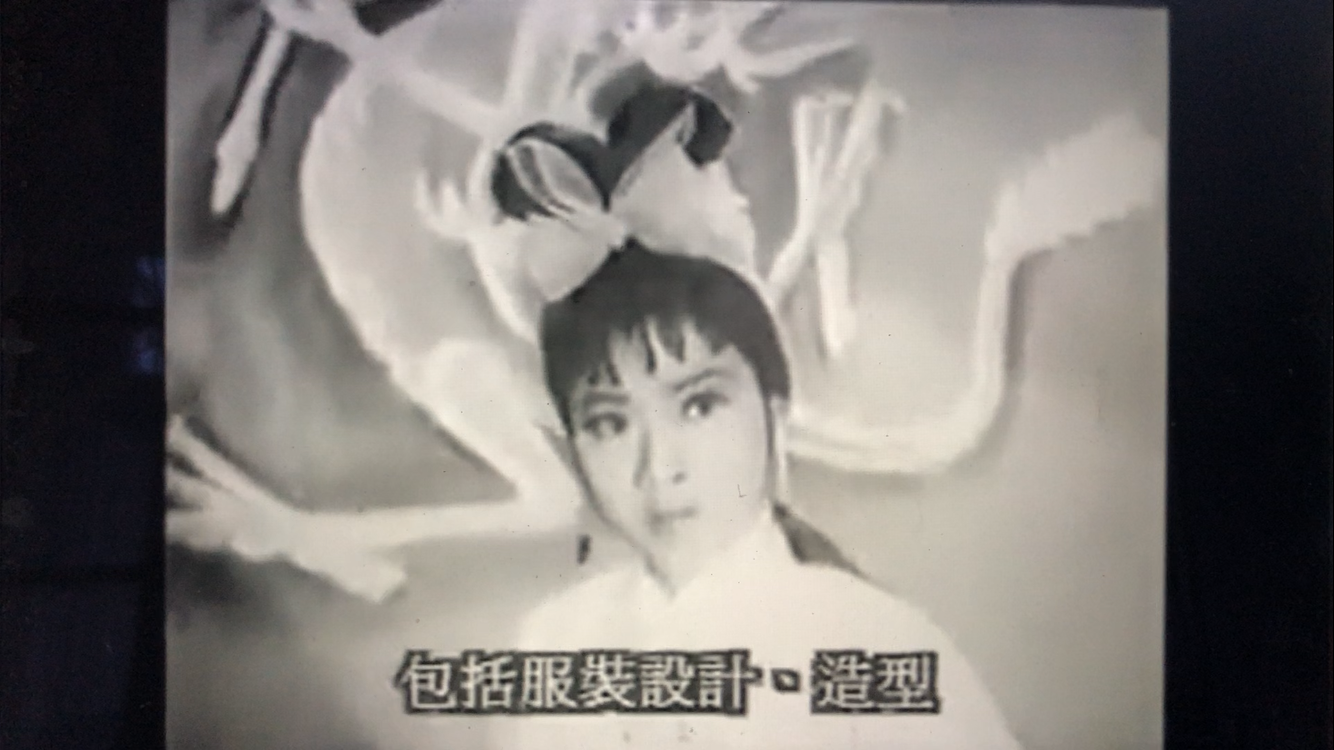
Before the set is built or the camera begins to move, cinema exists in drawings. Tung Pui-Sun entered the Hong Kong film world through this threshold: first as an illustrator, then as a art director. His involvement with 《仙鶴神針》 (The Magic Crane’s Needle, 1961)—based on the wuxia novel by Wolongsheng—became a turning point. The film’s success brought unusual attention to its promotional art and visual presentation, and Tung’s distinctive treatment made his work visible across the territory. In the wake of that release, he was commissioned to design posters and promotional imagery for a wide spectrum of Cantonese-language productions. At a time when Hong Kong’s four major cinema circuits dominated the city, his hand could be seen across three of them, often in the form of promotional arts and posters.
Film work was not limited to graphic promotion. Tung designed visual concepts, props, and costumes, translating the tone of the script into concrete form. His drawings anchored movement to architecture, framed characters within interior space, and suggested how a confrontation should be staged. Directors and production staff relied on these sheets as working maps: What audiences later saw on screen was frequently first realized in his ink.
電影美術
電影在開鏡之前,先存在於圖紙之上。佈景未搭,鏡頭未動,一切已在筆下成形。董培新正是從這裡踏入香港電影世界:先以插畫為業,繼而擔任美術指導。1961年的《仙鶴神針》——改編自臥龍生的武俠小說——成為他創作生涯的轉捩點。電影公映後反響熱烈,宣傳美術與視覺呈現備受注目,董培新獨特的畫風由此傳遍全港。此後,他陸續獲邀為大量粵語片設計海報及宣傳圖像。當年香港四大院線主導全城,他的作品橫跨其中三家,宣傳海報與美術設計處處可見其手筆。
鏡頭之前,筆墨先行
他在電影界的工作,遠不止於宣傳推廣。董培新負責視覺概念、道具及服裝設計,將劇本的氣韻轉化為具體可見的形象。他的圖稿為場景賦予空間感,為人物在室內環境中定位,為對峙場面的調度提供依據。導演與製作人員以這些圖紙作為實際的工作藍圖。觀眾後來在銀幕上看到的,往往早已在他的墨筆之下,一一成形。
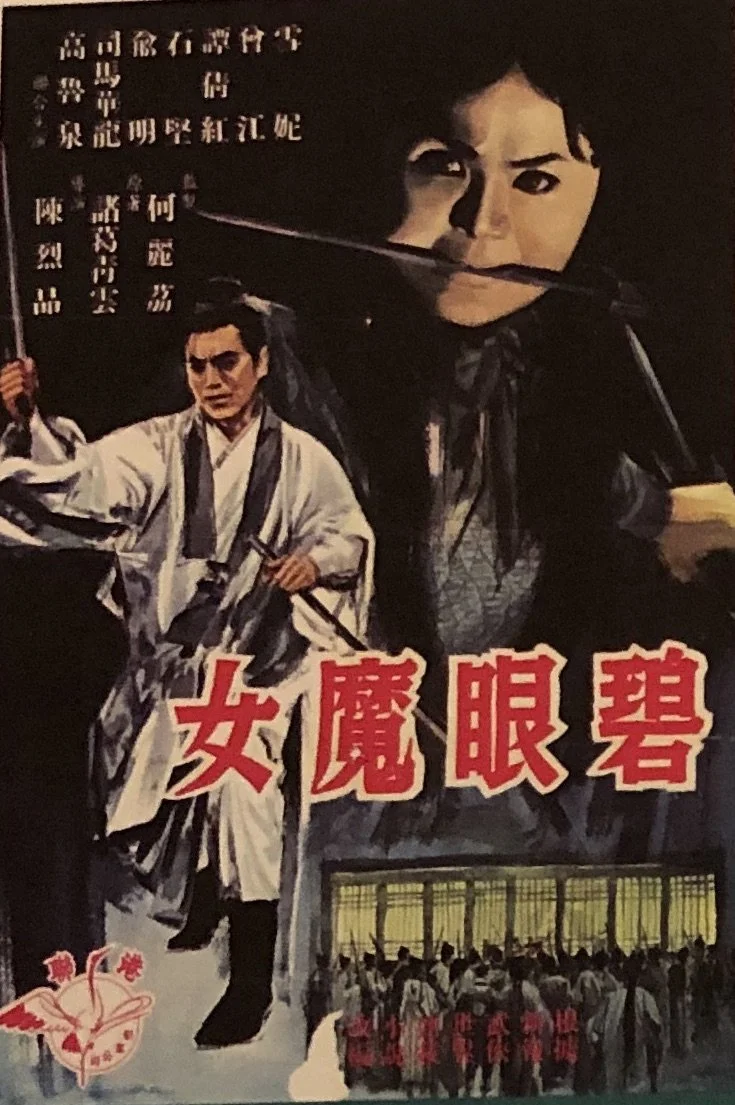
This cinematic practice intertwined with the publishing industries that surrounded it. Through the film magazine 《南國電影》 (Southern Screen), associated with Shaw Brothers Studio, Tung distilled scenes from feature films into printed interpretations. These were not reproductions of frames; they were visual restagings for the reader, emphasizing posture, timing, and emotional pressure rather than ornamental detail. In this way, he extended cinema beyond the theater, allowing audiences to encounter the drama before the premiere.
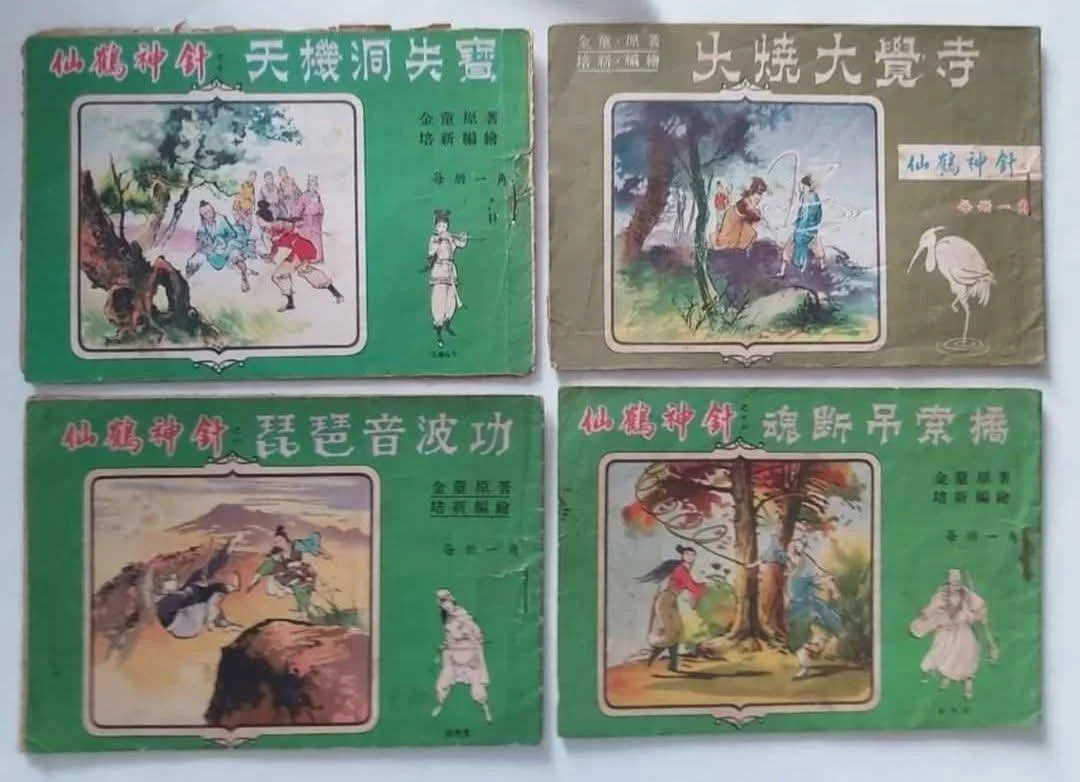
The momentum of film projects converged with his illustration work. While posters and concept drawings were produced, he continued regular contributions to newspapers and magazines, and even created a weekly pictorial adaptation of 《仙鶴神針》—over four hundred panels per issue—while still maintaining his day-to-day workload. The relentless pace left little room for sleep. “At the time,” he once recalled, “I set a rule: finish one drawing every fifteen minutes, sleep four hours a day, and work ten to twelve hours. That was forty drawings a day, no less than twelve thousand a year.” Between 1959 and 1986, he produced illustrations for Law Bun over twenty-seven years. Even by conservative estimates, he completed well over three hundred thousand drawings.
Within this environment, the line between illustration and cinema dissolved. The same ink that defined serialized fiction also defined a costume, the angle of a sword, or the shadow beneath an archway. Tung’s film drawings record the moment before the lights are raised and the camera begins its work—the instant when a world exists only on paper, waiting to be built.
透過邵氏旗下的《南國電影》雜誌,董培新以筆墨重現銀幕上的精彩場面,讓讀者在戲院以外,同樣感受到電影的張力。這些畫不是對電影畫面的複製,而是經過重新演繹——着重人物姿態、情緒張力與動作節奏。電影由此走出戲院,未及公映,已先入人心。
電影工作的節奏,與他的插畫事業同步推進,從未間斷。海報與概念圖之外,他持續為報章雜誌供稿,甚至在繁重的日常工作之餘,每週為《仙鶴神針》繪製逾四百格的圖畫連載。繁重的工作幾乎不留睡眠的餘地。他曾憶述:「那時我定下規矩:十五分鐘一幅,每天睡四小時,工作十至十二小時。一天四十幅,一年不少於一萬二千幅。」由1959年至1986年,他為羅斌連載插畫長達二十七年,保守估計,所繪超過三十萬多幅,尚不計其他往後的畫作。
在這樣的創作環境裡,插畫與電影之間的界線早已模糊消融。那支雙頭筆,刻畫了一件戲服的輪廓、一把劍的角度、拱門之下的一道陰影。董培新的電影圖稿,留住的是燈光亮起、鏡頭開始之前的那一刻——那個世界尚存在於紙上,等待被建造成真的瞬間。